This route in practice
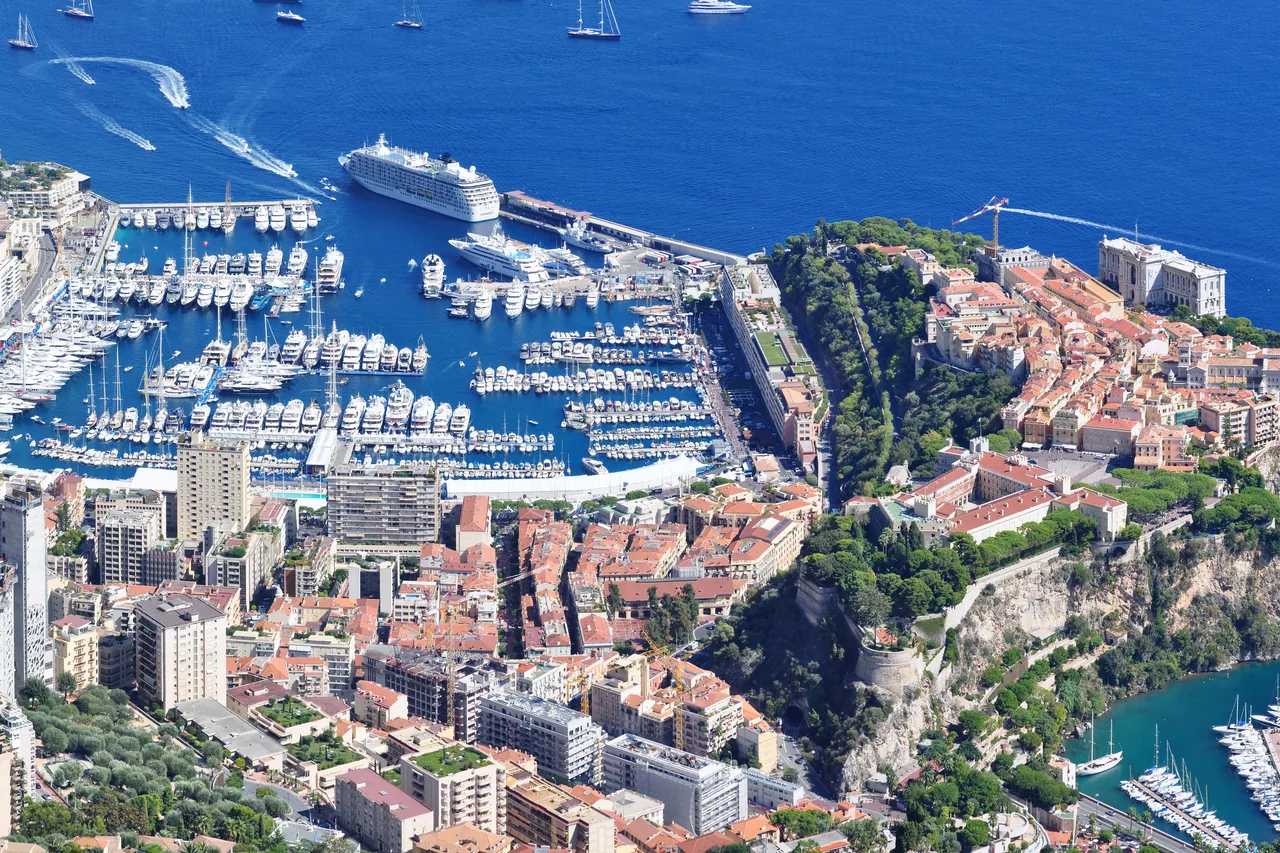
Monaco is the classic evening out from Nice: dinner overlooking Port Hercule, a night at the Casino, a day at the Grand Prix or a business meeting in Monte-Carlo. Your chauffeur collects you from your hotel or the address agreed in Nice and takes you to your destination in the Principality, with no train to catch and no hillside road to climb on foot.
- Meeting point
- Your hotel lobby, your building’s entrance or a spot on the Promenade des Anglais, as your chauffeur confirms beforehand.
- Route and tolls
- The A8 from Nice-l’Ariane, then the A500 and its toll tunnel into Monaco; or the slower Basse Corniche, with no barrier.
- Journey time
- Off-peak, about 25 min. In the evening the streets around the Casino fill up, so leave fifteen minutes spare for a booked table.
- Luggage and child seats
- Cases, suit carriers, pushchair: note them in the module, which only keeps cars big enough. Child seat? Write it under “Special request”.
- ID
- Carry an ID card or valid passport: there is no border post into Monaco, but a check can still take place.
- Grand Prix 2027
- Race day 6 June 2027, with Monaco’s first ever sprint: access changes, and the drop-off follows the published traffic plan.
The route
From the centre, your chauffeur heads east along Rue de Paris and Boulevard Carabacel, takes the André-Liautaud tunnel and follows the M2204B up the Paillon valley. The car joins the A8, La Provençale, at the Nice-l’Ariane interchange, exit 55; from an address in the northern districts, your chauffeur may use the Nice-Quartiers Nord interchange, exit 54, instead. Both lie east of the Saint-Isidore barrier, so the car never passes through it.
The motorway then runs along the mountainside to exit 56, where the A500 drops down towards Monaco-centre and Cap-d’Ail. That spur goes through a pay tunnel run by ESCOTA before meeting the Moyenne Corniche. The car comes down Avenue Prince-Rainier-III and Boulevard du Jardin-Exotique, then crosses the Principality by Boulevard de Suisse and Avenue Princesse-Alice to the Casino district, or turns off for La Condamine and Port Hercule.
The other way is the Basse Corniche, right by the water: from Nice harbour it rounds Mont-Boron and passes through Villefranche-sur-Mer, Beaulieu-sur-Mer, Èze-sur-Mer and Cap-d’Ail before entering the Principality from the west. Nothing to pay, but traffic lights, villages and, in season, a steady queue: your chauffeur picks it when the hour allows or if you want the view. On the Rock, traffic is limited to certain vehicles, so you are set down as close to the palace as possible, at a spot your chauffeur points out.
The alternatives
Regional TER trains link Nice-Ville with Monaco-Monte-Carlo station in 20 minutes on average, with more than 65 return services a day, from the first departure at 5.50 am to the last at 10.20 pm. A full-fare single is €6.10, or €4.30 with the ZOU! card: if you are staying near the station and your appointment in Monaco is close to it, the train is quick.
The ZOU! 600 bus leaves from Square Normandie-Niemen, near Nice harbour, and follows the Basse Corniche to Monaco and on to Menton. On weekdays one comes roughly every 10 to 15 minutes between 5.35 am and 8.30 pm, taking 45 to 55 minutes to Place des Moulins; a ticket costs €2.10 by contactless card at the validator or €2.50 in cash. Along the Moyenne Corniche, line 602 runs from Nice-Vauban via Èze-Village to the Monaco tourist office, with six departures in the timetable valid since 7 June 2026.
A taxi hired in Nice runs on the meter: the fixed fares set for 2026 apply to trips from the airport, not from town. Local rates are set by the prefect, within the 2026 national ceilings of €4.48 for the pick-up and €1.30 per kilometre. For a night that ends after the last train, or a group in evening dress, booking the outward trip and the return the same way settles both times in advance.